Vlakplaas revisited

The infamous security branch farm stands abandoned.
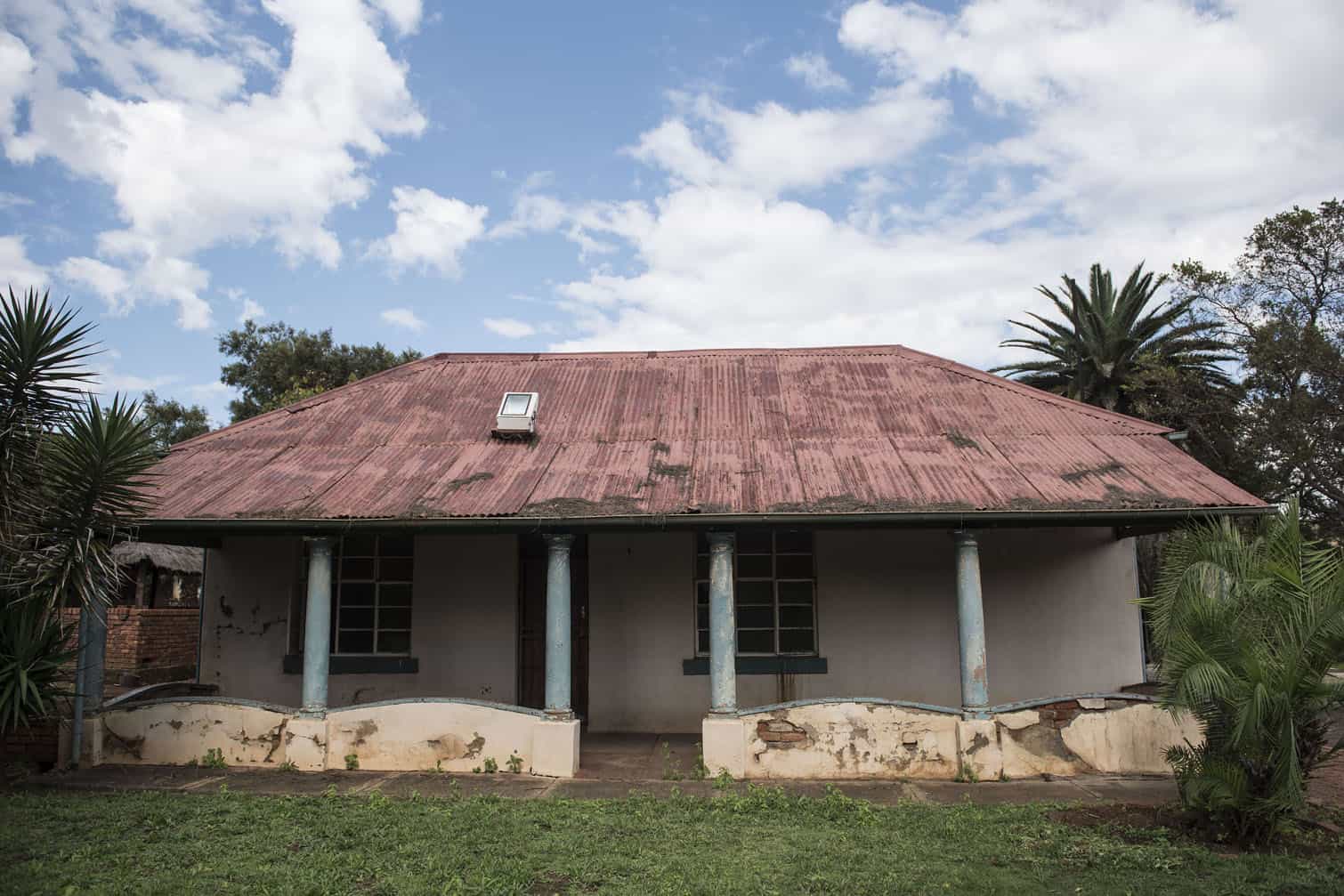
If the dirty, beige walls of the old farmhouse at the infamous Vlakplaas farm, 20km west of Pretoria, could talk, what would the ghosts of the past would say?
On Freedom Day, while South Africans were celebrating being freed, the Vlakplaas site, which served as the headquarters of the counterinsurgency unit C1 (later called C10) of the Security Branch of the apartheid-era South African Police, stood abandoned and vandalised, with some traces to a dark part of our country’s history.
Convicted apartheid assassin’s testimony
Last month, convicted apartheid assassin Eugene de Kock – also known as Prime Evil – testified in the Eastern Cape High Court in Gqeberha at the Cradock Four inquest into the 1985 abduction and murders of anti-apartheid activists Matthew Goniwe, Fort Calata, Sicelo Mhlauli and Sparrow Mkonto, who were kidnapped, brutally beaten, shot and their bodies set alight.
De Kock, who keeps a low profile in public, testified he had no role in the actual killings.
He was part of the apartheid security system that hunted and killed people deemed enemies of the state, and added that the instructions to kill came straight from the top of the apartheid state, then President PW Botha.
General views of Vlakplaas, 27 April 2026, a farm outside of Pretoria, that served as the headquarters for the apartheid-era Security Branch police death squad, C1 (later C10), active from 1979 to 1993, infamous for capturing, “turning” (converting to act as double agents), or executing anti-apartheid activists. During the Truth and Reconciliation Commission (TRC) hearings the site was exposed as the epicenter of apartheid-era atrocities. Picture: Michel Bega/The Citizen
Vlakplaas abandoned
Along a five-kilometre dusty and rocky gravel road, the Vlakplaas property lies tucked away between the Skurwe Berg mountain and the Hennops River banks.
At first glance, the property looks reasonably well-kept, with trimmed grass and neat flower beds of lavender and other colourful flowers, a sharp contrast to the horrific stories of torture and more at the property.
The farm was abandoned and forgotten, with not a soul in sight besides the birds chirping and monkeys playing in the trees on the littered riverbank.
On the stoep of the main house lay broken glass and old faeces, while the house inside is completely stripped of all its plugs and wires.
Feelings connected to the building
In some of the abandoned buildings were rooms with safelike steel doors and ventilation windows, leaving room for interpretation of what may have happened there, perhaps 50 years ago.
There was an overbearing sombre feeling connected to the property, almost like your gut was warning you that you were now in a dangerous place, partly because of those who may be occupying the property today, with traces of clothing and food found in some of the buildings.
In one of the rooms, security uniforms from different companies were found, along with boots and a security baton. The garage has metres of what look like cables inside and around the corner.
General views of Vlakplaas, 27 April 2026, a farm outside of Pretoria, that served as the headquarters for the apartheid-era Security Branch police death squad, C1 (later C10), active from 1979 to 1993, infamous for capturing, “turning” (converting to act as double agents), or executing anti-apartheid activists. During the Truth and Reconciliation Commission (TRC) hearings the site was exposed as the epicenter of apartheid-era atrocities. Picture: Michel Bega/The Citizen
Concerns from residents
A concerned Gerhardsville resident, Charne Strydom, accidentally came upon the farm while canvassing her area in search of new business, just a few kilometres from her house in Erasmia last month.
Strydom said when she first found the location, she double-checked that it was indeed the infamous farm and added that she did not enter the property during her first visit.
“The gate was locked with a rusted chain and lock,” she said. However, Strydom and a friend were travelling along the gravel road over the weekend and, as they passed the premises, she noticed that the fence was cut open to gain access to the property.
Vandalism
Strydom said it was simply a spontaneous trip on a Saturday and wasn’t planned at all. “We also found the back gate of the property wide open and the power cables cut.
“When you walk around the house, you will see how they have started digging the cables out of the ground,” she said. Strydom said they posted videos online because they didn’t know where to report the cable theft and vandalism to the property.
“We have had a lot of reaction to our video posted on social media; a lot of hate. The video had more than 50 000 views in under 24 hours.”
The Citizen reached out to the department of public works and infrastructure for comment on the current state and future of the Vlakplaas farm. The department had not responded by time of going to press.