Road Traffic Management records 323 fatal crashes resulting in 487 deaths

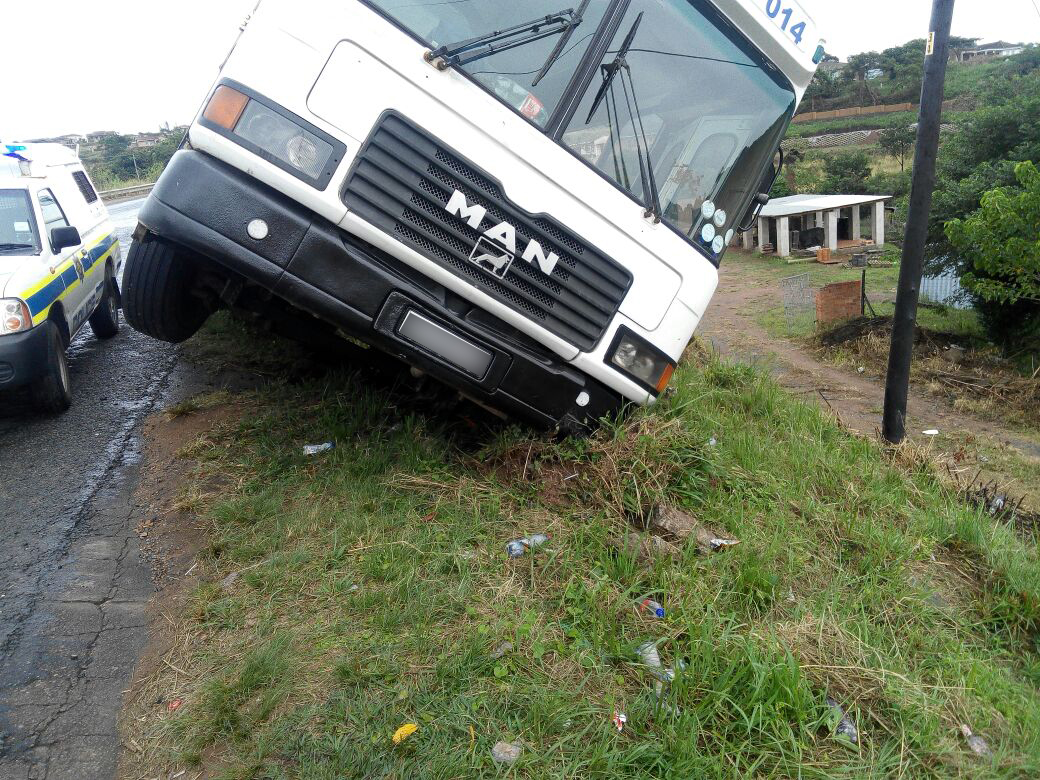
Fatal bus accidents in South Africa have climbed to a five-year high, reigniting concerns about road safety, operator accountability and passenger protection as personal injury claims continue to rise.
According to Road Traffic Management Corporation (RTMC) data, buses were involved in 323 fatal crashes over a five-year period, resulting in 487 deaths.
“Bus crashes are particularly devastating because of the sheer number of people affected in a single incident,” says Kirstie Haslam, partner at DSC Attorneys. “When safety fails on public transport, the consequences are often catastrophic and long-lasting.”
Recent crashes highlight worsening trend
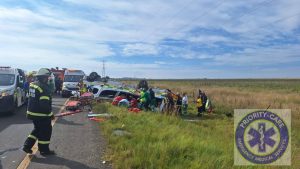
The spike is underscored by a series of major bus crashes over the past year:
- In October 2025, an overloaded bus veered off the N1 in Limpopo, plunging down an embankment and killing at least 42 passengers, including a 10-month-old infant, with dozens more injured.
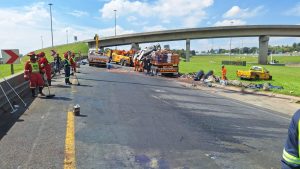
- In March 2025, 16 people died when a bus overturned on the N1 near OR Tambo International Airport.
“These aren’t freak accidents,” Haslam says. “They point to systemic issues, from driver fatigue and overloading to poor vehicle maintenance and weak enforcement.”
Disproportionate risk on South African roads
RTMC’s latest quarterly statistics show that buses accounted for 1.1% of all fatal crashes between January and March 2025, despite making up just 0.54% of the country’s registered vehicle fleet.
A University of Pretoria transport safety study previously found that buses carry an estimated 30% probability of involvement in a crash, the highest risk level of any vehicle category.
The data also shows that most fatal bus crashes occur on weekend mornings between 5am and 8am, a period often associated with long-distance travel, fatigue and reduced enforcement presence.
Legal rights after a bus accident
Haslam says victims of bus accidents, including passengers, pedestrians and occupants of other vehicles, may be entitled to claim compensation from the Road Accident Fund (RAF) and, in some cases, additional liable parties.
“Depending on the facts, injured victims can claim for medical expenses, future care, loss of earnings and, in serious cases, general damages for pain and suffering,” she explains. “Where a breadwinner has died, families may also claim funeral expenses and loss of support.”
Liability may extend beyond the RAF to include:
- private or public bus operators;
- government entities responsible for unsafe road conditions;
- vehicle manufacturers where mechanical defects are involved.
Legal precedent: courts are awarding substantial compensation
Haslam notes that South African courts have consistently awarded significant compensation in RAF claims, illustrating the real financial consequences of serious road crashes, including those involving buses.
She cites one instance, where a teacher succeeded with her damages claim arising from a serious bus accident which occurred when she was part of a group escorting students on a school outing, when the bus driver fell asleep and a collision ensued, causing significant injuries to herself and other passengers and as a result of which three of the children died.
“These judgments show that courts are willing to award meaningful compensation where injuries are serious and properly supported by medical and actuarial evidence,” she says. “Bus accident victims fall squarely within this framework, and in catastrophic cases, total compensation can run into several million rand.”
What to do after a bus crash
Haslam advises that immediate medical attention is critical, followed by careful evidence-gathering where possible:
- photograph the scene and injuries;
- collect witness details;
- obtain the police case number and report;
- retain all medical records and receipts.
“Road accident claims are complex and highly technical,” she says. “Early advice from a specialist personal injury attorney, supported by a medico-legal team and operating on a no-win, no-fee basis, can significantly improve a victim’s chances of fair compensation.”