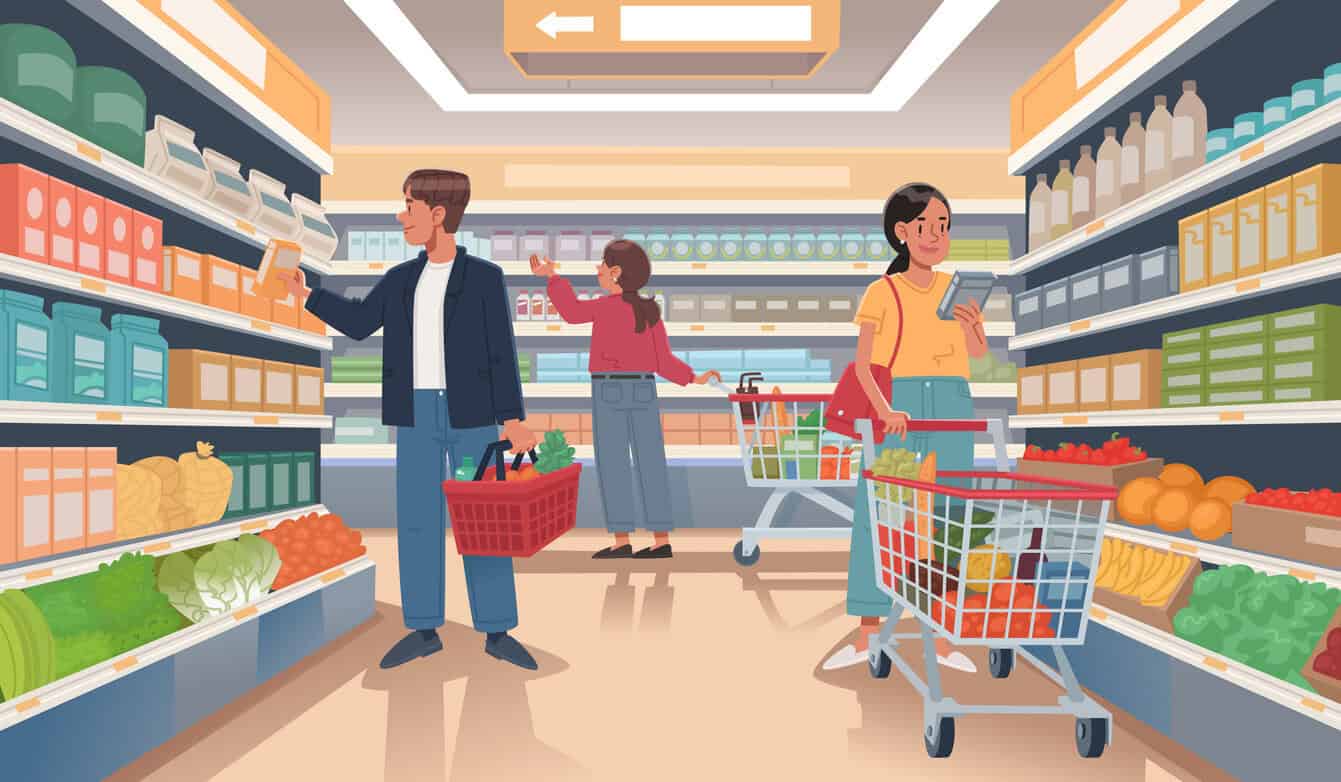
GLP-1 use is influencing the middle-class food basket in South Africa

With 1 in 20 South Africans already using or considering weight-loss drugs like Ozempic, new data shows a major shift in shopping habits.
The way we think about weight loss today has moved away from traditional dieting. While medications in the GLP-1 category (Ozempic, Wegovy, Mounjaro) have become a major talking point, they are just one part of a broader change in how people are approaching their health.
Today, the focus is no longer on eating less or cutting out certain foods. Instead, there is growing emphasis on protecting strength and maintaining lean muscle while losing excess body fat.
According to new data from Worldpanel by Numerator, around 1 in 20 South Africans are already using or considering GLP-1 weight-loss medications. However, awareness remains relatively low at 37%, compared to 47% globally, suggesting the market is still in its early stages.
As key drugs approach patent expiry, prices are expected to fall, driving wider adoption.
“The early effects are already visible in how people shop. Even at this early stage, we’re already seeing clear shifts in behaviour. Consumers using these treatments are moving away from indulgent categories like snacks and confectionery, and towards protein, hydration and more functional products. As awareness grows and access improves, the impact will become much more widespread,” said Nick Barrett, country manager for Worldpanel by Numerator in South Africa.
GLP-1 Rewires the food basket: Indulgence down, protein up
Another thing that the data shows is that the early effects of GLP-1 adoption are already visible in how people shop. GLP-1 users in South Africa are buying fewer ready meals, snacks, and confectionery, while increasing their consumption of protein-rich foods, lighter meals and bottled water according to the data.
Globally, the potential disruption to the FMCG market is enormous. Households with a member considering GLP-1 medication represent $241 billion in FMCG value.
Muscle matters
Emerging research shows unintended muscle loss is commonly associated with GLP-1 treatments. Picture: Nutthaseth Vanchaichana, iStock.
At the same time, nutrition advice is evolving.
Rather than enforced restriction, prioritising protein and choosing foods that offer more nutritional value in every bite are becoming the priority. These changes are grounded in a stronger scientific understanding of how the body works, considering everything from metabolism and muscle health to the role of sustainable eating patterns in long-term weight management.
Monique Piderit, a registered dietitian, explains: “Whether you are following a personalised weight loss plan or using a GLP-1 medication, it’s important to shift from simply counting calories and measuring your weight to focusing on overall wellbeing.
“Weight loss approaches can result in the loss of not only fat, but muscle mass too. This matters because a loss of strength can impact day-to-day health and longevity.”
She adds that emerging research shows unintended muscle loss is commonly associated with GLP-1 treatments.
That’s where dairy plays a vital role.
“In addition to contributing high-quality protein, milk, yoghurt and maas contain what is known as the ‘dairy matrix’ – a unique combination of nutrients, including calcium, that support long-term health.”
Complete protein for muscle maintenance
When losing weight on GLP-1 therapy, protein needs rise to 1.2-1.5 grams per kilogram of body weight daily. But reduced appetite that comes with GLP-1 use can make this difficult.
“This is where dairy can make a real difference. Dairy is a complete protein, providing all the essential amino acids your body needs, including leucine, which plays a key role in building and maintaining muscle. Milk also contains two types of protein that work in different ways.
“Whey is digested quickly and supports muscle repair, while casein digests more slowly, helping to protect muscle over a longer period,” said Maretha Vermaak, registered dietitian at Rediscover Dairy.
She notes that even simple choices, like a glass of milk in the evening, can help support muscle maintenance. Dairy also aids satiety and blood sugar stability.
Yoghurt and maas to the rescue
According to a dietitian, yoghurt can be a simple, manageable option that provides both protein and gut-supporting benefits to people managing the side effects of GLP-1 use. Picture: Drazen Zigic, iStock.
GLP-1 medications often cause nausea, vomiting, constipation and early fullness. Fermented dairy products like yoghurt and maas can help support gut health with live cultures.
“When nauseous, cold foods such as yoghurt and maas tend to be tolerated better. Their smooth texture and mild acidity make them easier to consume when appetite is low or taste changes. For many people on GLP-1 therapy, yoghurt becomes a simple, manageable option that provides both protein and gut-supporting benefits,” Vermaak points out.
What would a healthy day with dairy look like?
For those on a weight loss journey, whether using GLP-1 therapy or not, Piderit offers this framework for including dairy in controlled amounts throughout the day:
Breakfast – Berrylicious Smoothie: 200g Greek-style yoghurt (12g protein) blended with fresh berries.
Mid-morning snack – 30g lean biltong (15g protein) with dried raisins.
Lunch – Cheesy Eggs: 2 scrambled eggs (14g protein) with 30g grated cheese (7g protein) and diced vegetables.
Afternoon snack – 200ml plain yoghurt (8g protein) as a dip for finger vegetables.
Dinner – Tuna and Brown Rice Salad: 1 tin tuna (40g protein), 2 tbsp plain yoghurt (1.5g), 1/2 cup brown rice, red onion, cucumber.
Bedtime snack – Cinnamon Milk: 250ml hot milk with cinnamon (8g protein).
For an 80kg person, this provides 96-120g protein (~1.4g/kg), meeting GLP-1 therapy requirements.
Dairy as a strategic partner in weight loss
“GLP-1 medications are powerful tools for weight loss, but without proper nutritional support, rapid weight loss can lead to muscle loss, nutrient deficiencies, and long-term metabolic challenges.
“Dairy is so versatile and can easily be part of many kinds of small meals and snacks. It offers unequalled nutrient density, helping you to not just meet your protein needs, but also calcium and other essential vitamins and minerals that need to be part of your weight loss eating plan to protect your health,” Vermaak says.
*About the data: South Africa consumer panel by Worldpanel by Numerator tracks 6 500 households, reflecting 100% of the population across all regions and socio-economic groups. The panel captures real in-home grocery purchases via smartphone scanning.