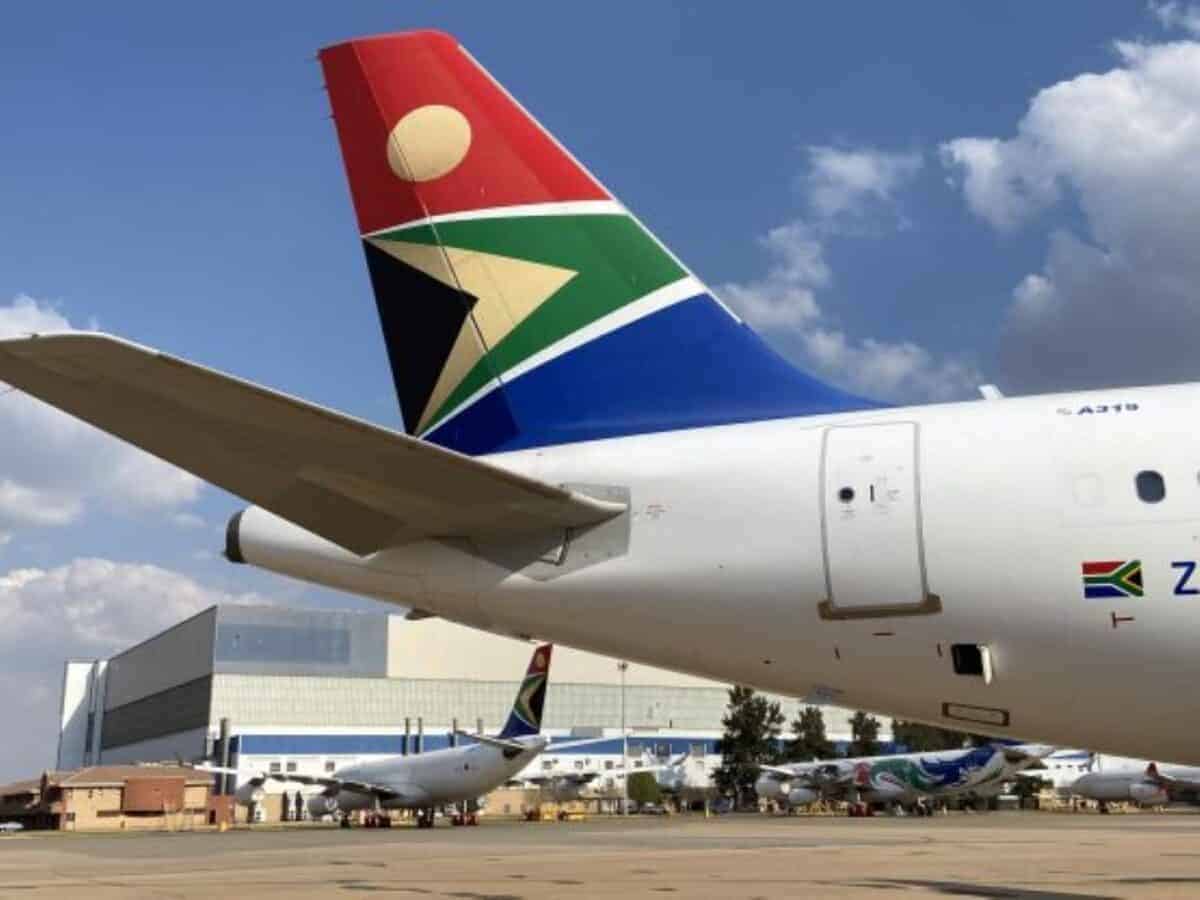
SAA bailout looms as governance crisis deepens

Source says taxpayer funding may arrive by May. CEO resigned after CFO quit amid disclaimed audit and board exits.
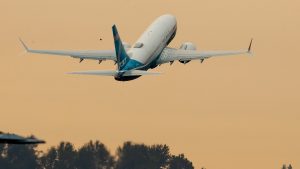
SAA may soon require another taxpayer-funded bailout, with a source close to the airline telling The Citizen that funding could be made available as early as May.
Earlier this month, Transport Minister Barbara Creecy denied SAA had been given R1 billion last year in the form of the sale of shares of the airline to the shareholder.
The government is the airline’s sole shareholder and any dilution of shares in return for money is a capital injection, according to financial experts.
A similar tactic may be applied soon in a last-ditch attempt to save the failing company.
The development comes amid mounting questions over the airline’s financial position and governance, following Creecy’s remarks in parliament this week, as well a rubbished 2025 annual report, along with CEO John Lamola’s resignation days after its chief financial officer quit and the exit of key board members.
Creecy made a perceived U-turn on her previous support for the airline’s executive and told lawmakers that she was not happy with an entity under her authority receiving disclaimed audit opinions.
Transport department spokesperson Collen Msibi rejected the notion of a U-turn. Instead, he said the department has maintained its long-standing stance that all entities must achieve unqualified audits and none should receive disclaimers.
Yet, there has not been a single year since SAA’s emergence from business rescue that it didn’t receive pushback.
Transport dept reject U-turn notion
As recently as March, Creecy said she was “pleased” that SAA had caught up with its backlog of audits and reiterated her expectation that the airline would achieve an unqualified outcome.
A SAA pilot told The Citizen that crew expect the airline to close its doors some time soon.
A source close to Lamola while he was in office also told The Citizen that he confided in them before quitting, noting that the airline was facing liquidity issues.
Aviation analyst Guy Leitch said the airline’s continued financial distress was difficult to justify, given the conditions under which it relaunched after business rescue.
“Despite having absolutely no debt burden whatsoever and having had its payroll cut so enormously, it’s still making a loss,” he said.
“It’s not okay to blame state capture or the emergence from business rescue. They’re still making excuses, rather than simply getting on with fixing the problem,” he said.
Accountability rested with the minister – Outa
Leitch said questions needed to be asked about oversight at both board and ministerial levels and how “things were allowed to get so bad.”
Organisation Against Tax Abuse chief executive Wayne Duvenage said accountability ultimately rested squarely with the minister. “If she wants to put people in positions of leadership on the board who do not have the ability to fulfil their role, then get rid of them. Put the right people in,” he said.
Duvenage also criticised leadership decisions at the airline and reprised his argument about Creecy’s insistence to appoint Lamola in the first place over board recommended candidates.
“If you’re going for the third-best in an entity that needs professionalisation, then you’re not putting the interests of SAA first,” he said.
Leitch also raised concerns about political interference in leadership decisions, warning that instability at the executive level could worsen the airline’s problems.
“There is increasing evidence of state meddling,” he said, adding that the controversial appointment of the acting chief executive, Matshela Seshibe, was unlikely to be resolved quickly, suggesting he may stay in office for at least nine months.
Evidence of state meddling
“The permanent leadership vacuum could persist for months and I am not sure why stronger internal candidates were not appointed. Tebogo Tsimane was the obvious choice; he was the natural choice,” Leitch said.
The Citizen asked Creecy whether she may have erred in forcing Lamola’s appointment through in the first place, but did not receive a direct response.
Leitch said he suspected future annual reports will show an even worse position than the 2024-25 financials. Still to come is 2025-26.
“One of the reasons we’ve seen this enormous bloodletting from management and the board is for exactly that reason,” he said.
He added that another bailout would confirm long-standing concerns about the airline’s sustainability.
“If there is another, it’s because the airline has failed in its mandate to be sustainable, unless they sell more of the crown jewels.”
SAA cost taxpayers about R145 bn
The Citizen previously reported that since 2000, South Africa’s state-owned airlines have cost taxpayers about R145.3 billion, with SAA accounting for R133.3 billion.
An industry insider said the airline’s financial outlook remains bleak, despite attempts to frame the situation differently.
“They’ve just tried to polish a turd, really. There is no positive spin about it,” the insider said.
“If you can’t make money in 2025 with relatively low oil prices, then 2026 is going to be an absolute disaster. When SA Express disappeared from the map, someone filled the gap. The same will happen with SAA.”
Msibi said the SAA board had presented an audit improvement plan and should be given an opportunity to implement it.